
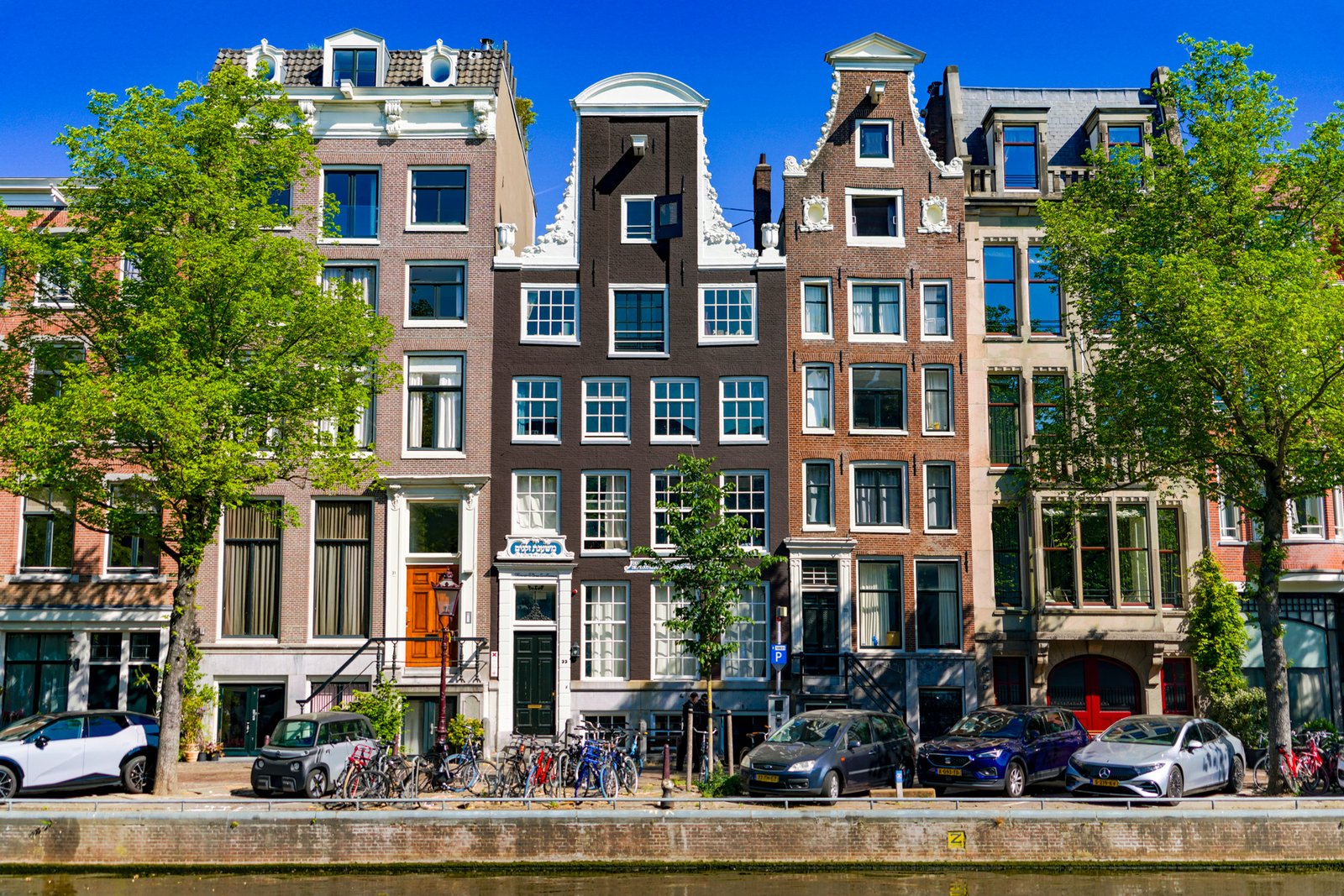
Amsterdam & Utrecht
If you see this after your page is loaded completely, leafletJS files are missing.

 Sony A7R III
 f/2.8
f/2.8 16mm
16mm 100
100 1/25 sec
Our trip to Amsterdam began in London, where we boarded the Eurostar for the direct four-hour ride across the Channel and through Belgium. The business class upgrade was surprisingly affordable, and it gave us a private car almost entirely to ourselves. With spacious seats, quiet surroundings, and countryside streaming past the windows, the journey felt less like transit and more like the gentle prologue to a storybook.
Canals, Trains, and Bicycles

Amsterdam in the spring feels like a city shaking off its winter chill and unfurling in shades of green and pastel. Tulips brighten window boxes, café terraces spill onto sidewalks, and the canals shimmer under a soft northern light. We stayed near the central train station, a location that proved perfect—steps away from the water, the trams, and the endless rhythm of bicycles whizzing by. From there, we wandered through the city’s web of canals, each curve revealing bridges, boats, and narrow houses that lean like old friends toward one another.
Echoes of Jewish History
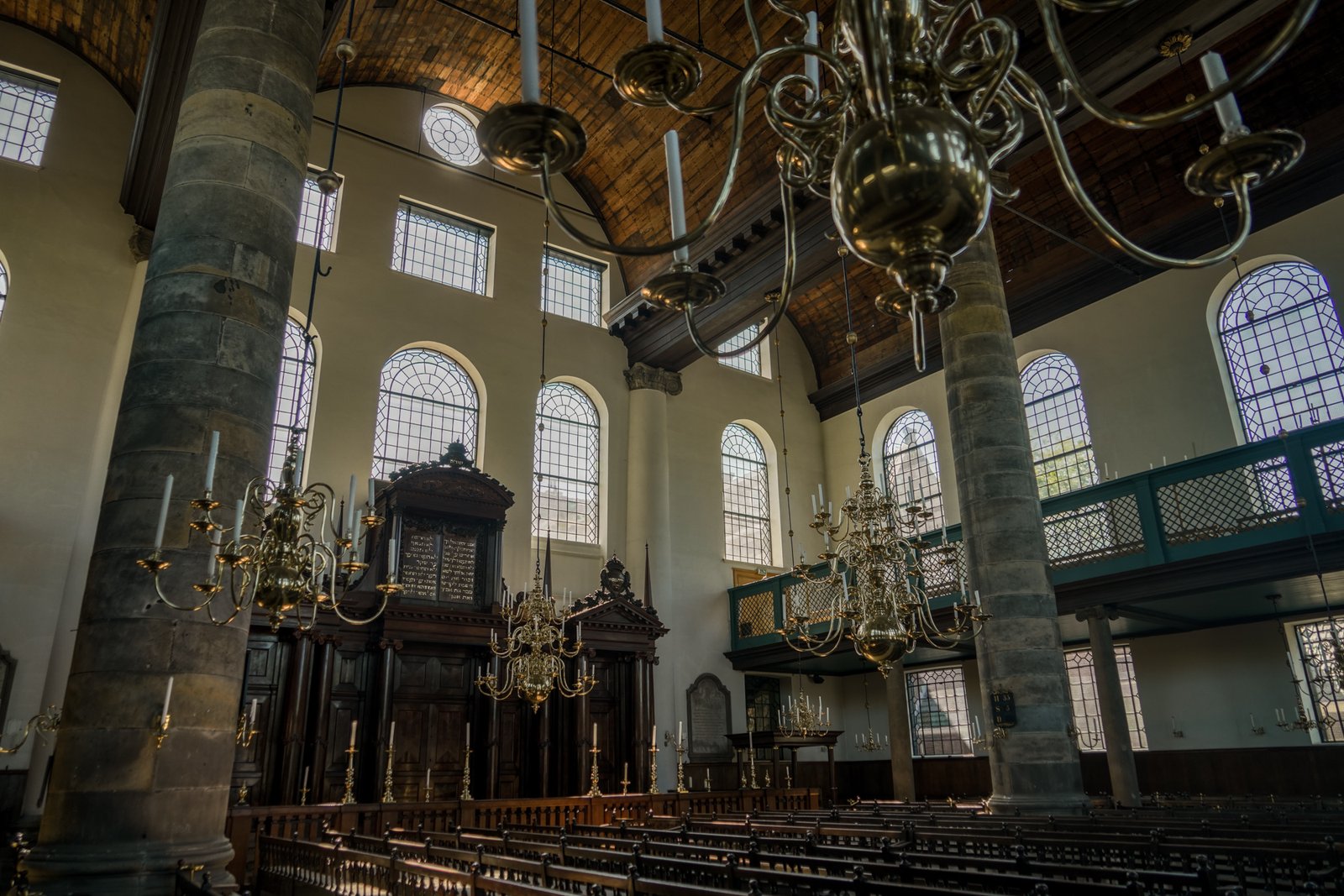
Beyond its postcard charm, Amsterdam carries deep layers of history. We spent time reflecting on the city’s Jewish heritage, once one of the most vibrant in Europe. The Portuguese Synagogue, completed in 1675, still stands as a remarkable testament to the Sephardic Jewish community that found refuge here after fleeing persecution in Spain and Portugal. Its cavernous interior, lit by hundreds of candles, has remained without electricity for centuries, preserving a sense of timeless reverence.
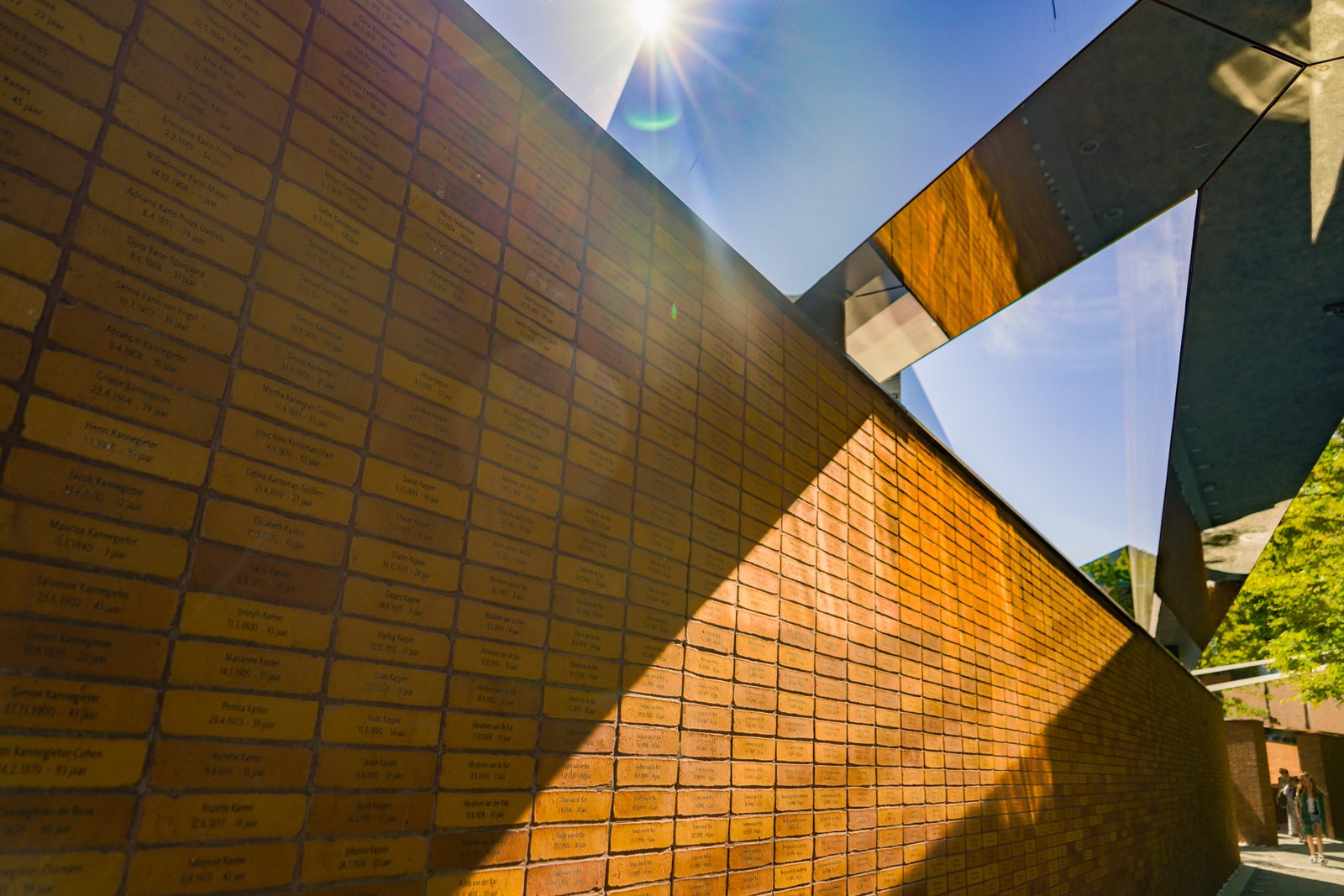
Nearby, the National Holocaust Memorial of Names is one of the city’s most moving sites. Designed by American architect Daniel Libeskind and unveiled in 2021, it commemorates more than 100,000 Dutch Jews murdered during World War II. The walls are built from 102,000 engraved bricks, each bearing the name of a victim. Viewed from above, the walls form four Hebrew letters spelling לזכר (“In Memory”). Walking among the corridors, with names stretching endlessly in every direction, is a powerful reminder of the scale of loss and the importance of remembrance.
A Day Trip to Utrecht
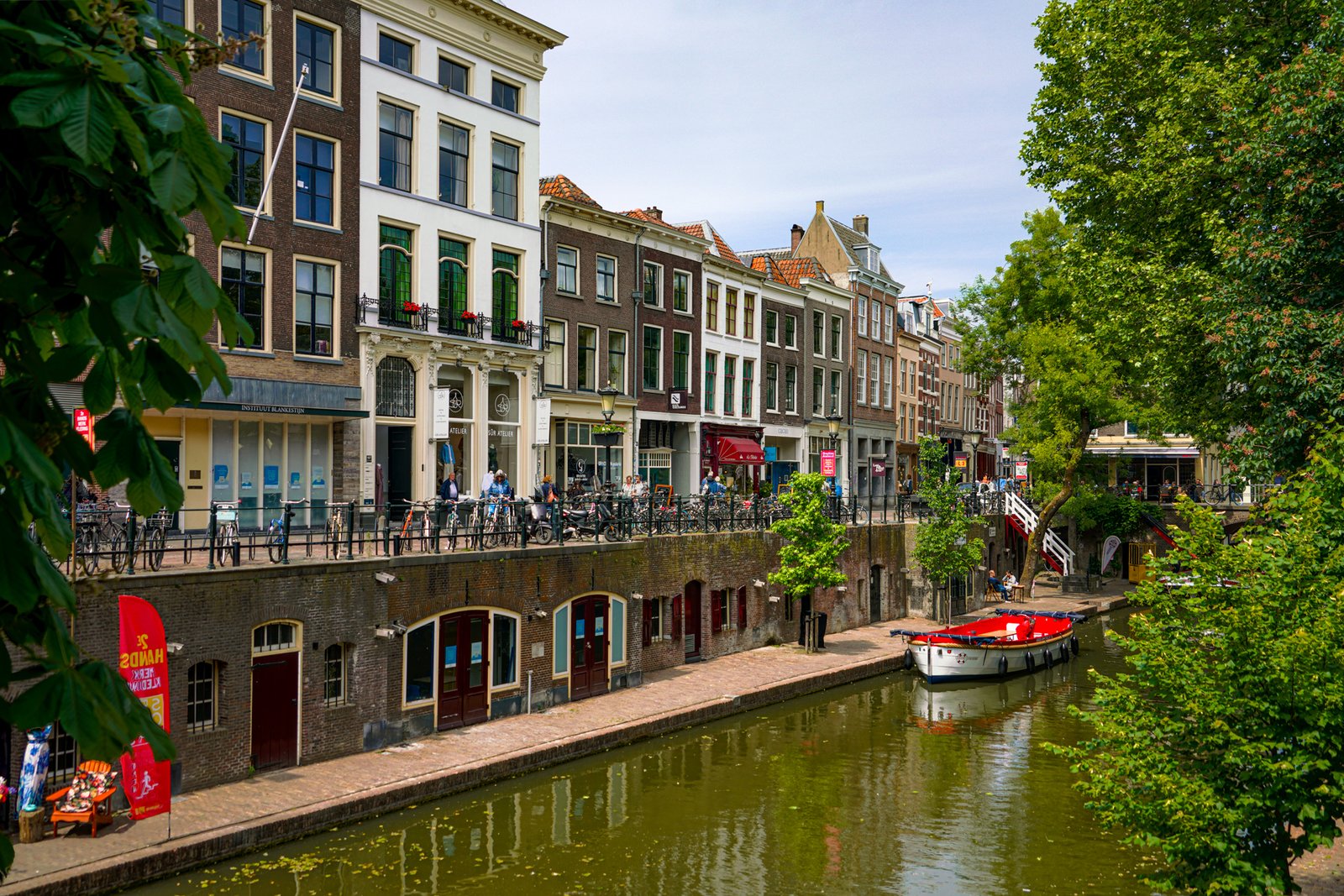
To experience something different, we hopped on a quick train to Utrecht—a smaller, charming city with its own canal system. Where Amsterdam’s canals are broad and bustling, Utrecht’s are cozy and lined with wharf cellars that now house cafés and boutiques. The city feels both lively and intimate, perfect for a day away.
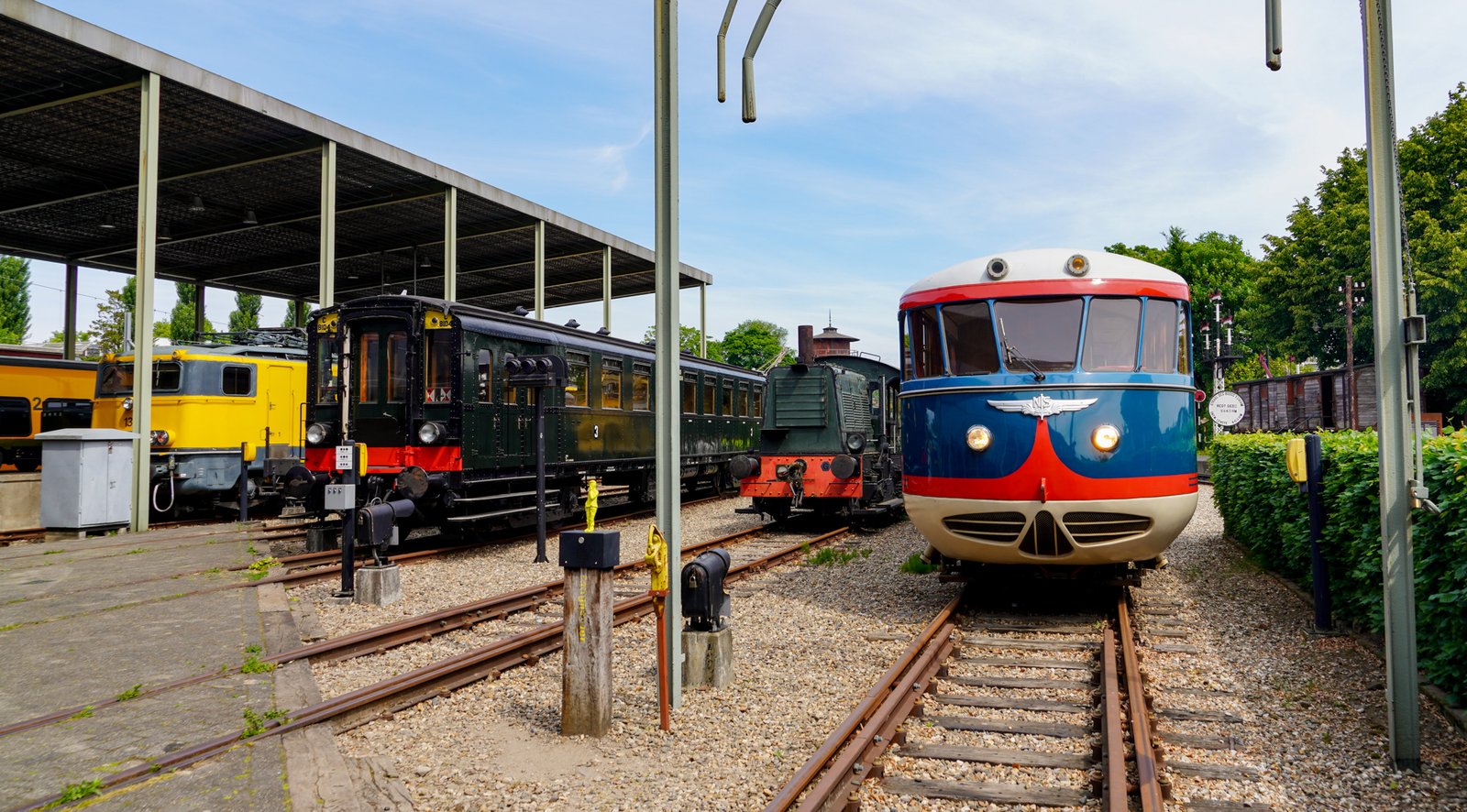
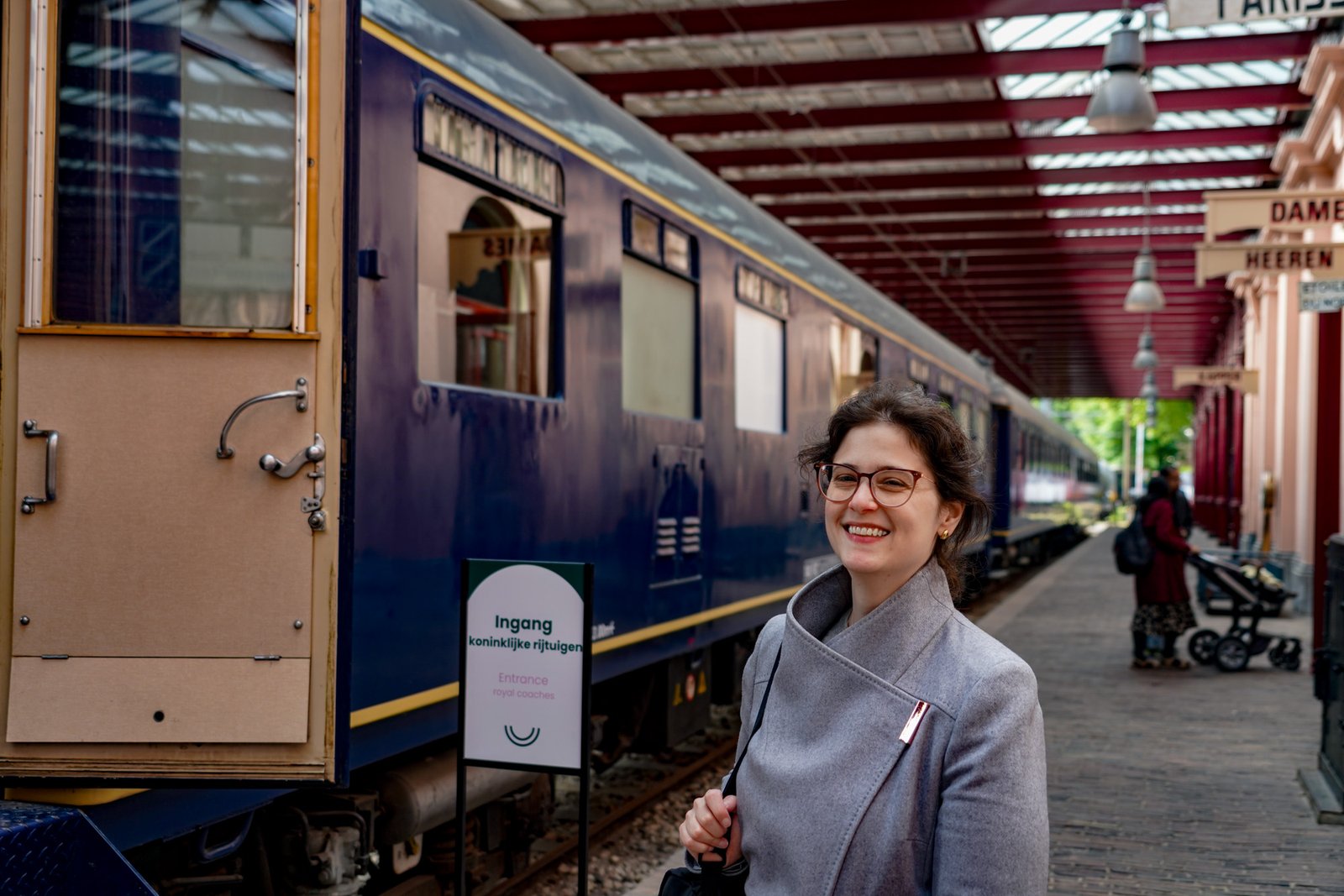
The highlight was the Spoorwegmuseum, Utrecht’s railway museum. Set in a former 19th-century train station, the museum blends history with playfulness. Antique locomotives sit beside interactive exhibits; children can climb aboard vintage trains, while adults can trace the story of Dutch rail from its beginnings to modern high-speed networks. It’s both educational and fun, making Utrecht an especially good stop for families.
Reflections on Amsterdam

Amsterdam in the spring is both graceful and practical: a city where beauty and efficiency walk hand in hand. Between the canals, the history, and the ease of day trips, it proved the perfect base for exploring Dutch life—past and present. And like the tulips blooming along the water, the memories felt bright and fleeting, a season to be savored.