
Florence, Tuscany
If you see this after your page is loaded completely, leafletJS files are missing.
We rolled into Florence aboard a high-speed train: efficient, mostly underground, and arriving at the heart of Tuscany before you quite realize you’ve left. The tunnels disappear, and suddenly you’re in a city that, though centuries old, still feels startlingly alive.
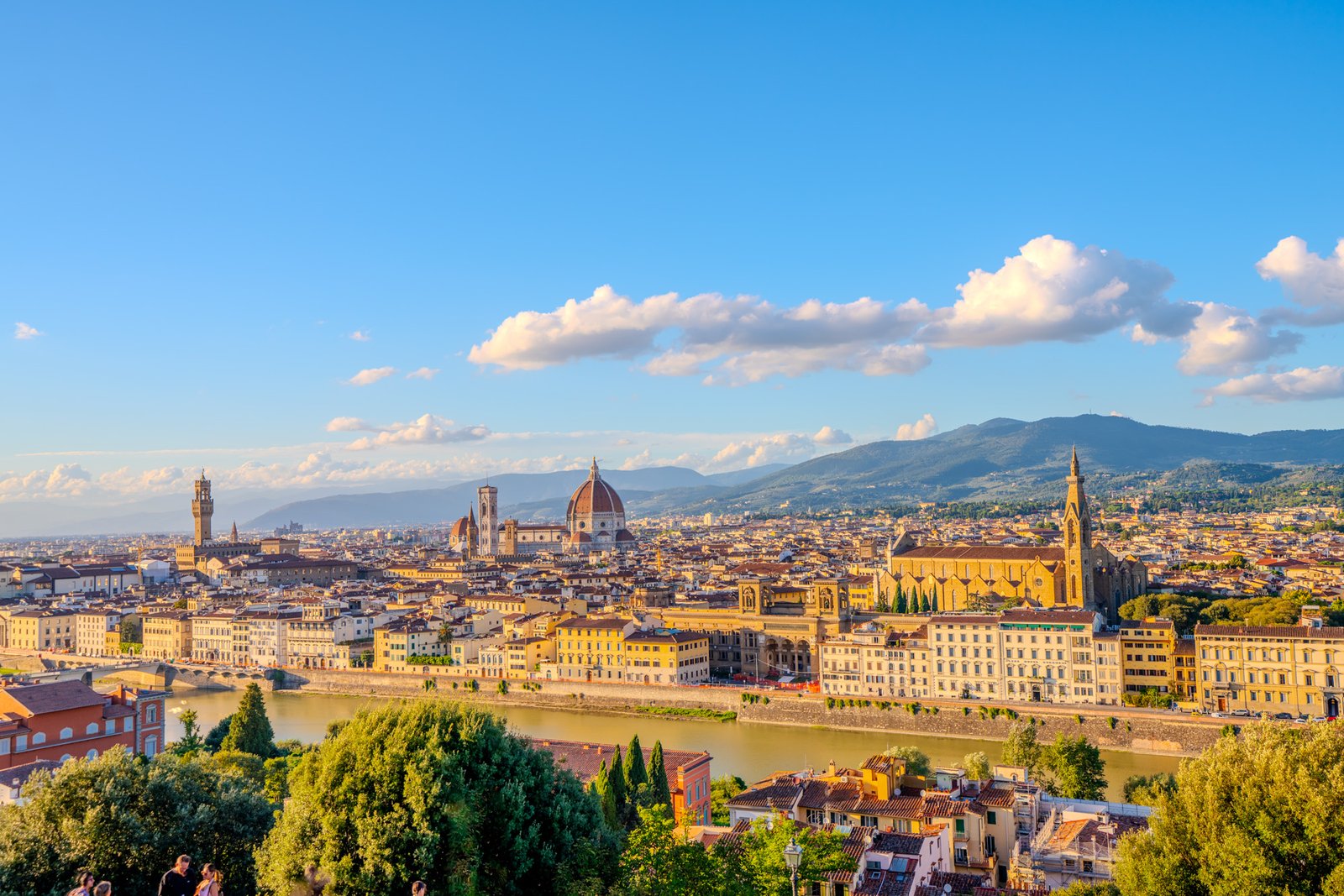
Sunset from Michelangelo Plaza

 Sony A7R III
 f/10
f/10 35mm
35mm 100
100 1/160 sec
One of our first stops was the Piazzale Michelangelo—perhaps the quintessential Florence viewpoint. We arrived just as day was giving way to evening, hoping for a radiant sunset. Instead, heavy clouds hovered over the Arno and the city’s red roofs—but even through that gloom, the panorama was powerful: the Duomo, the hills, the river weaving through the city.
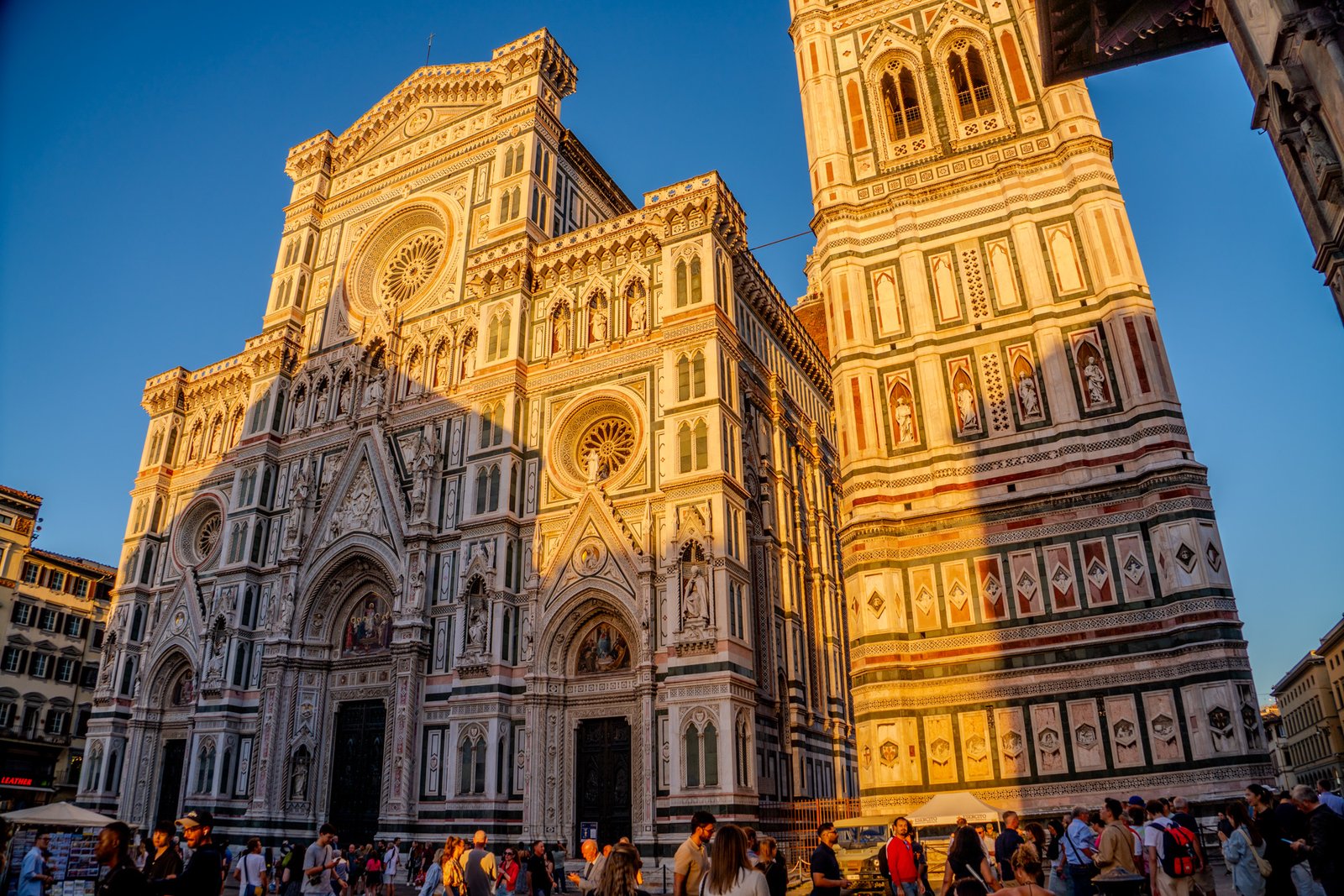
The Duomo at Dusk
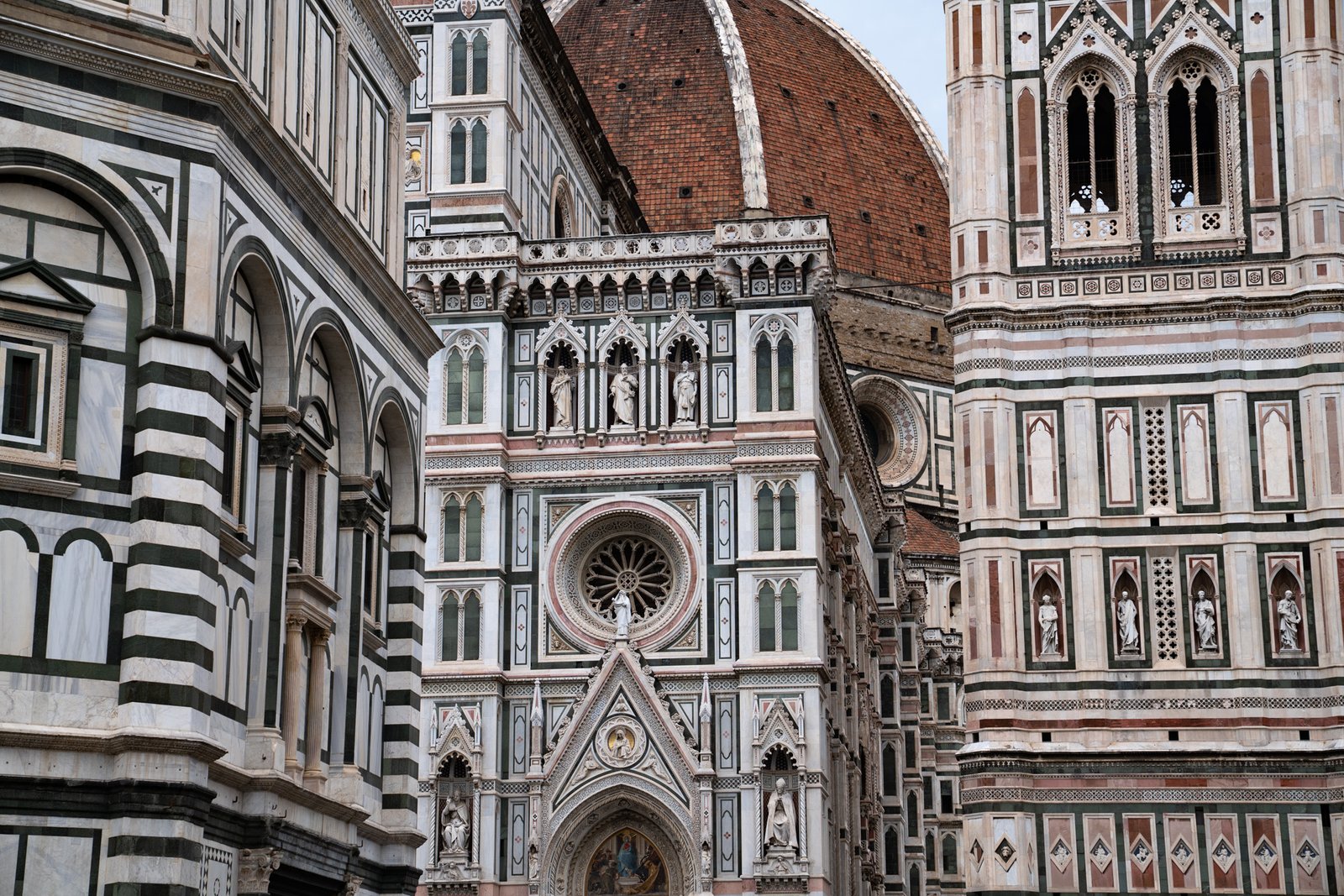
Descending from the hill, we made our way to the Florence Cathedral (Santa Maria del Fiore). At sunset its façade glows, the pink, white, and green marble shifting with the fading light. Inside, the dome looms overhead, and you get caught between the weight of history and the sheer visual thrill of being there.
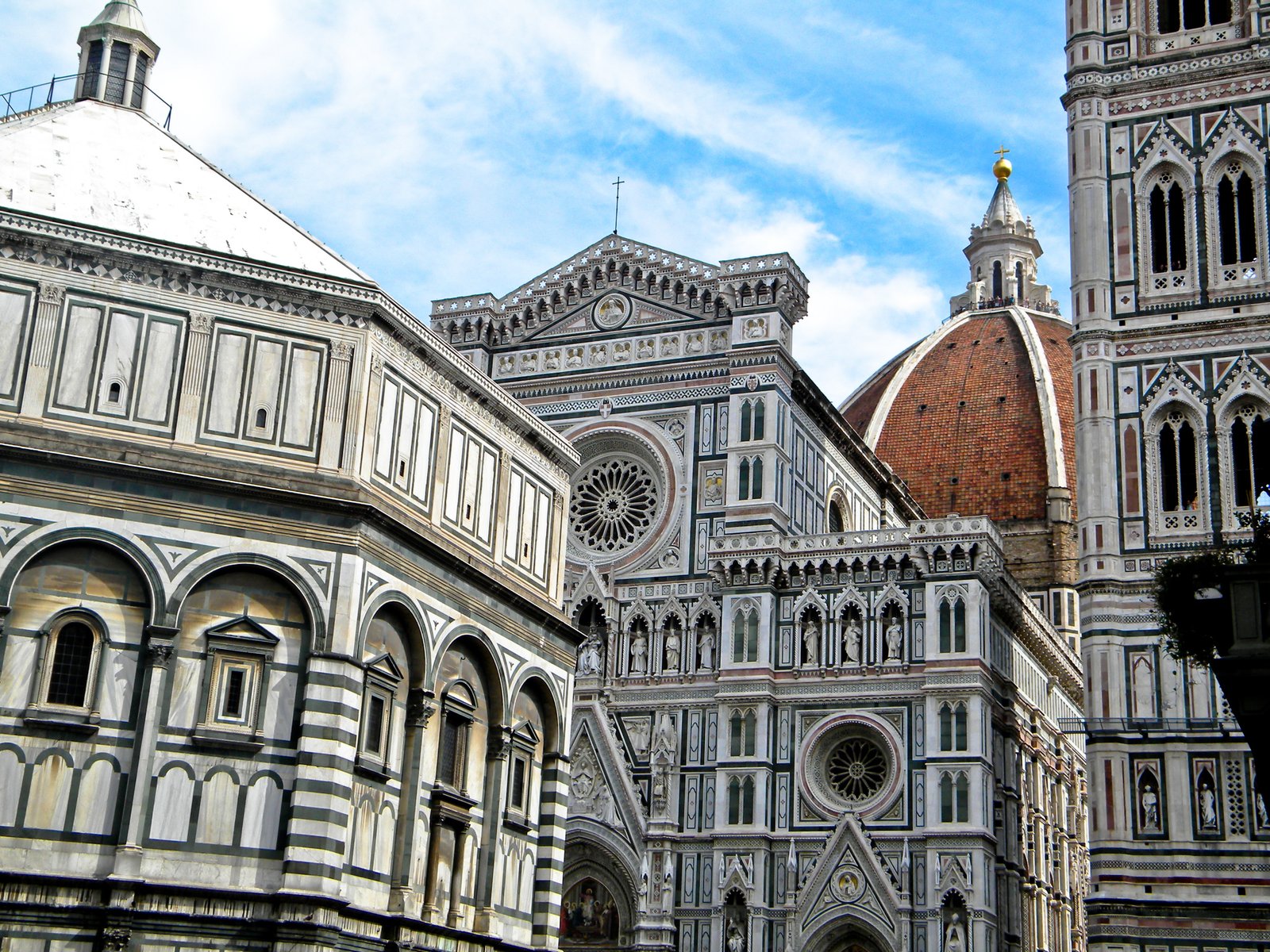
I recalled a prior visit 16 years ago, when my camera was laughably inadequate (you’ll see the photo). Back then the Duomo seemed enormous and mystical; now the building is the same, but our images are sharper, clearer, more present. The magic hasn’t changed.
Beyond the Cathedral: Holy Cross

Nearby is the Basilica of Santa Croce, sometimes overshadowed but essential. It’s famed as the resting place of luminaries like Dante and Galileo—but the church floor is also home to their tombs. Walk carefully here; avoid stepping on the graves. The sense that you’re treading ground shared by great thinkers ages ago is humbling.
Uffizi, the Medici, and the Secret Passage
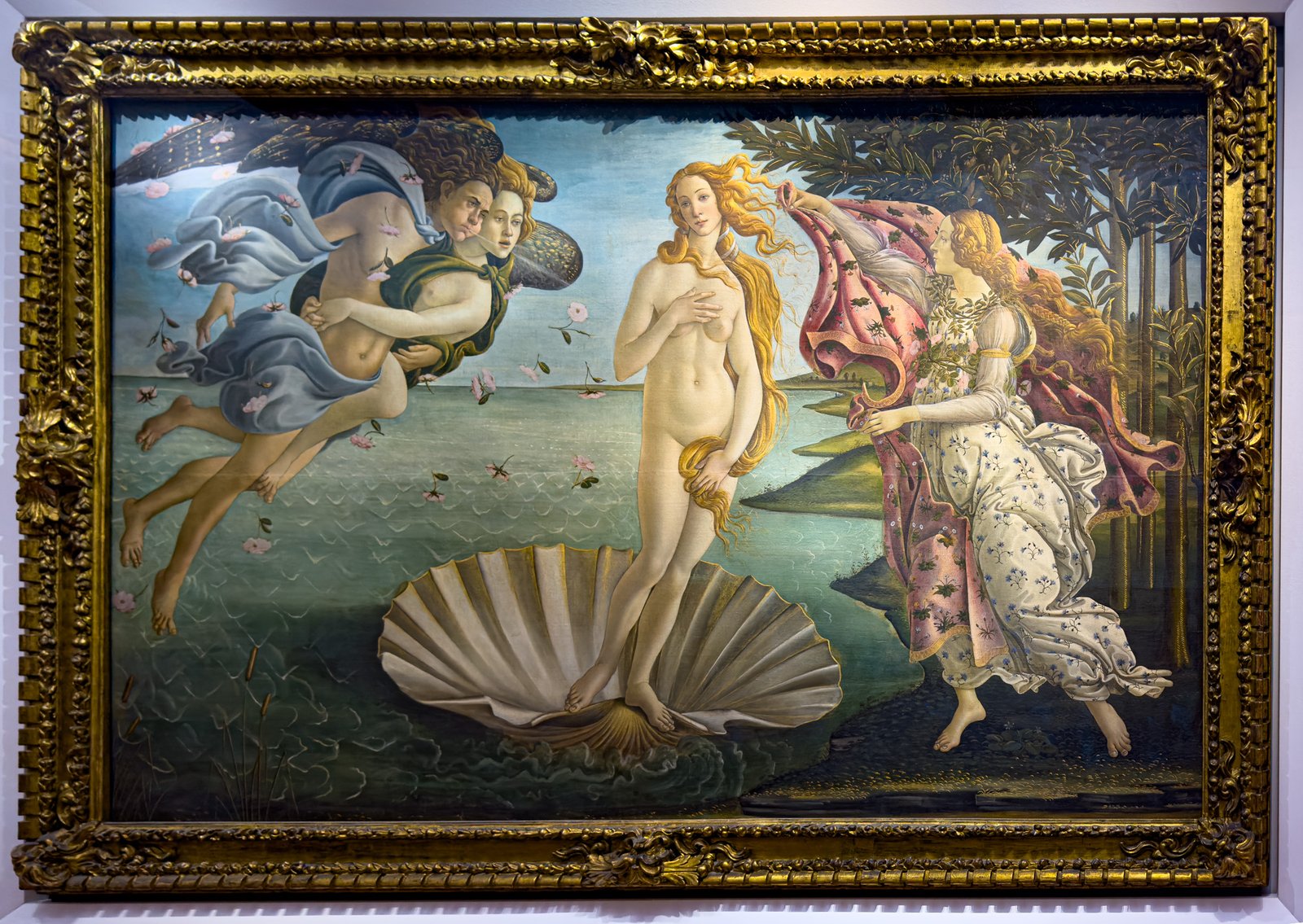
Of course, the Uffizi Gallery is a must. You’ll see legendary works—Botticelli’s Birth of Venus, among others—and wander halls packed with Renaissance masters. But the truly thrilling experience is the chance (with extra reservation) to take the private level of the bridge: the Vasari Corridor. This hidden passage was built by Giorgio Vasari in 1565 to allow the Medici family to move discreetly from the Uffizi and Palazzo Vecchio over the Arno to Pitti Palace.
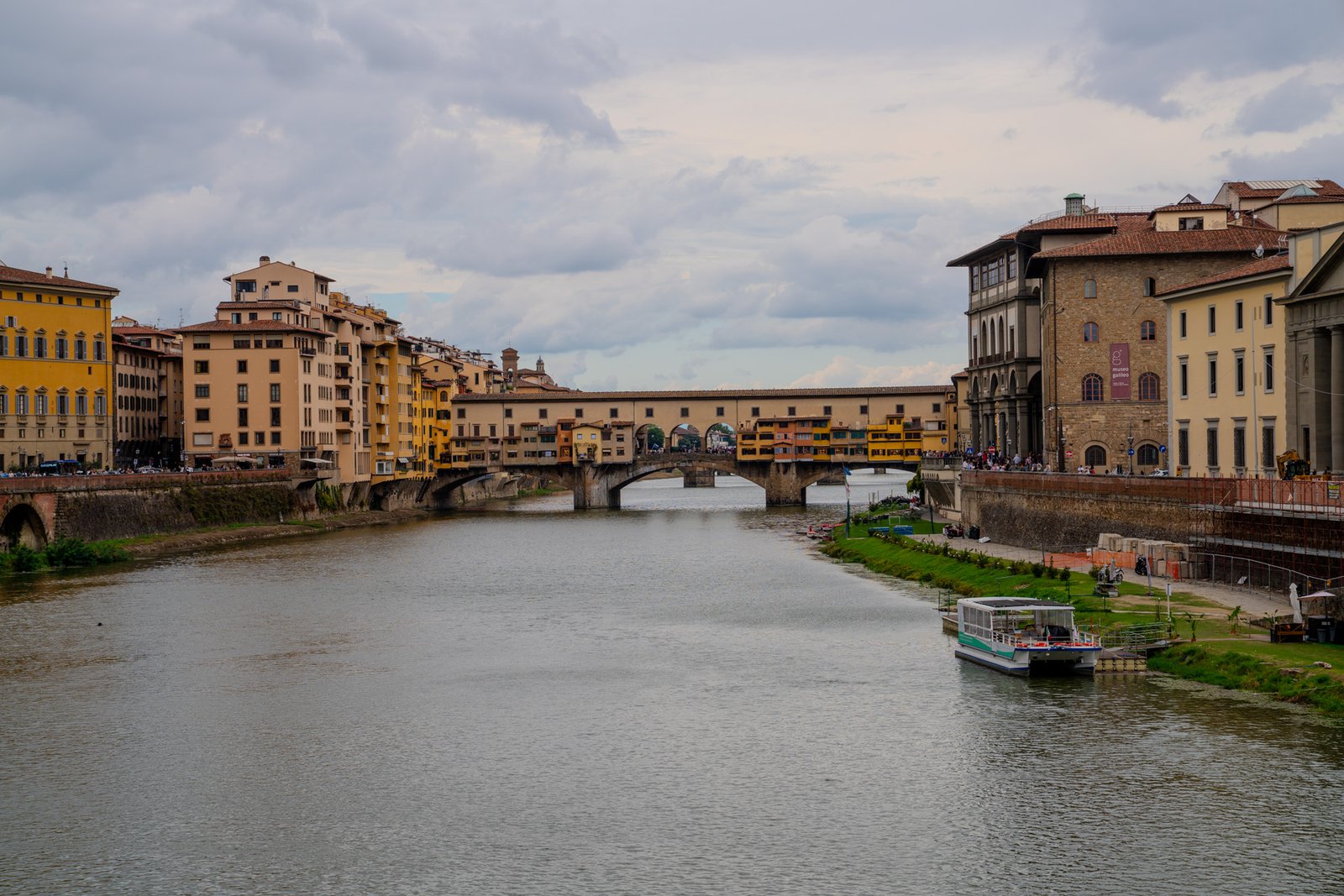
The corridor today has been stripped of many decorative elements, but just walking it feels like peeling back the veneer of public Florence to glimpse its inner power structures. From its windows you look down onto the street of jewelers below—shops that remain in the same locations centuries later. It’s also worth noting that the bridge is the only one over the Arno in Florence that survived World War II intact.
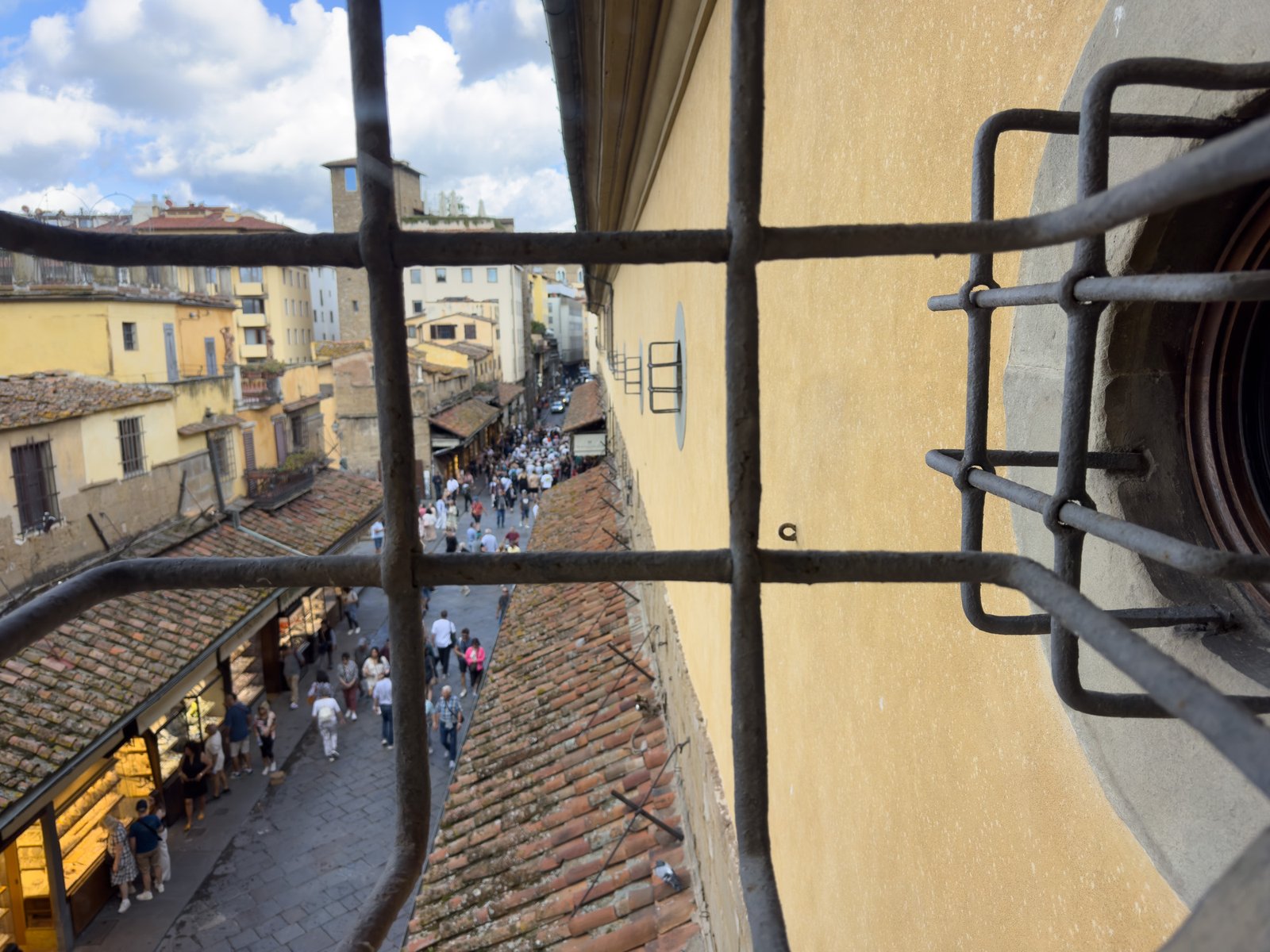
As of late 2024, the corridor has reopened to the public after an extensive restoration, letting visitors experience firsthand a route that had been off-limits for years.
Evening in Piazza Repubblica & Gelato
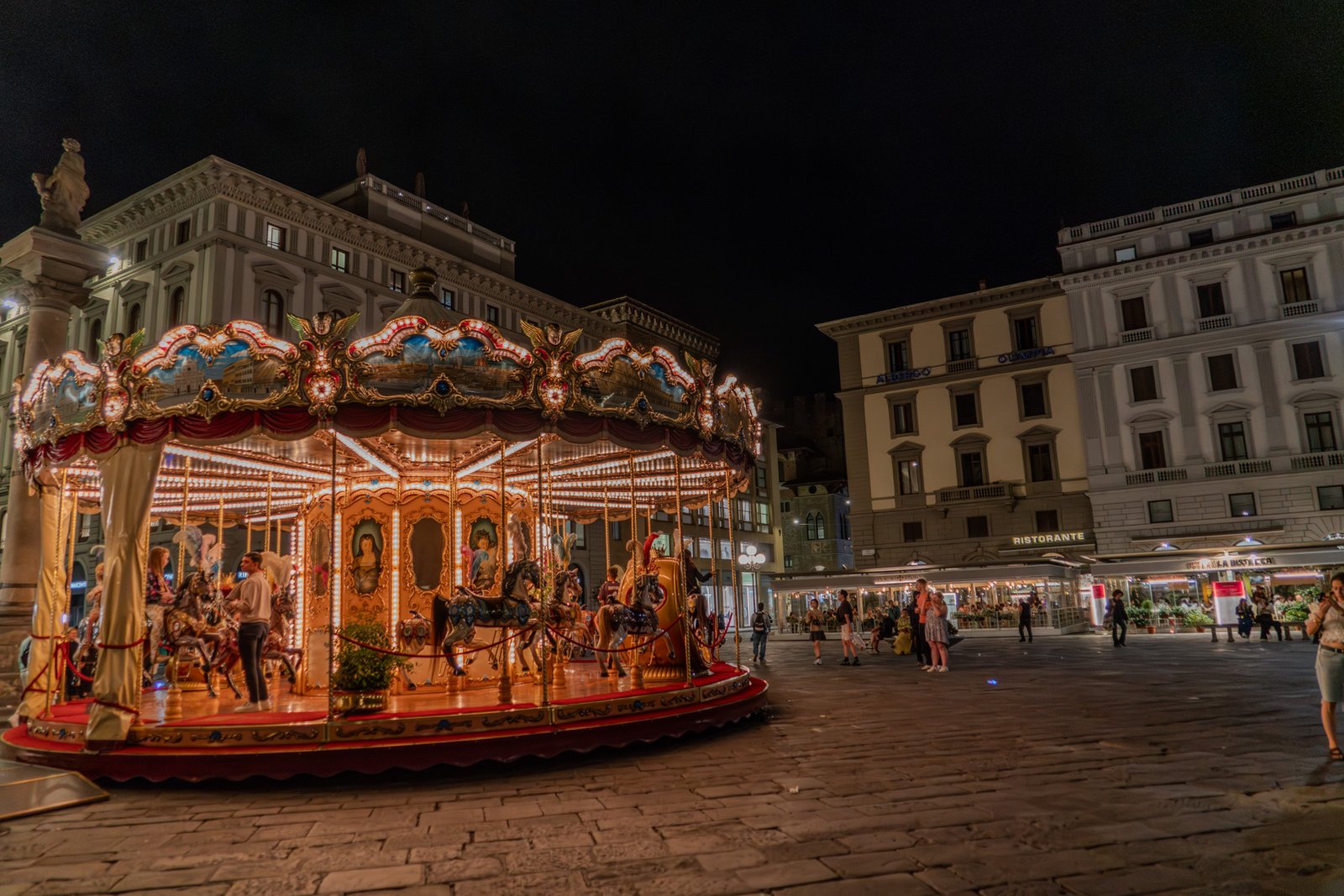
Our day ended in the Piazza where the Hotel Savoy stands (Piazza della Repubblica). Around us, the square hummed with an after-hours crowd. We slipped into gelato, then pasta, letting the carousel of city life spin around us under streetlamps and fading twilight. The mingling of art, cuisine, history, and quotidian life felt especially alive there.
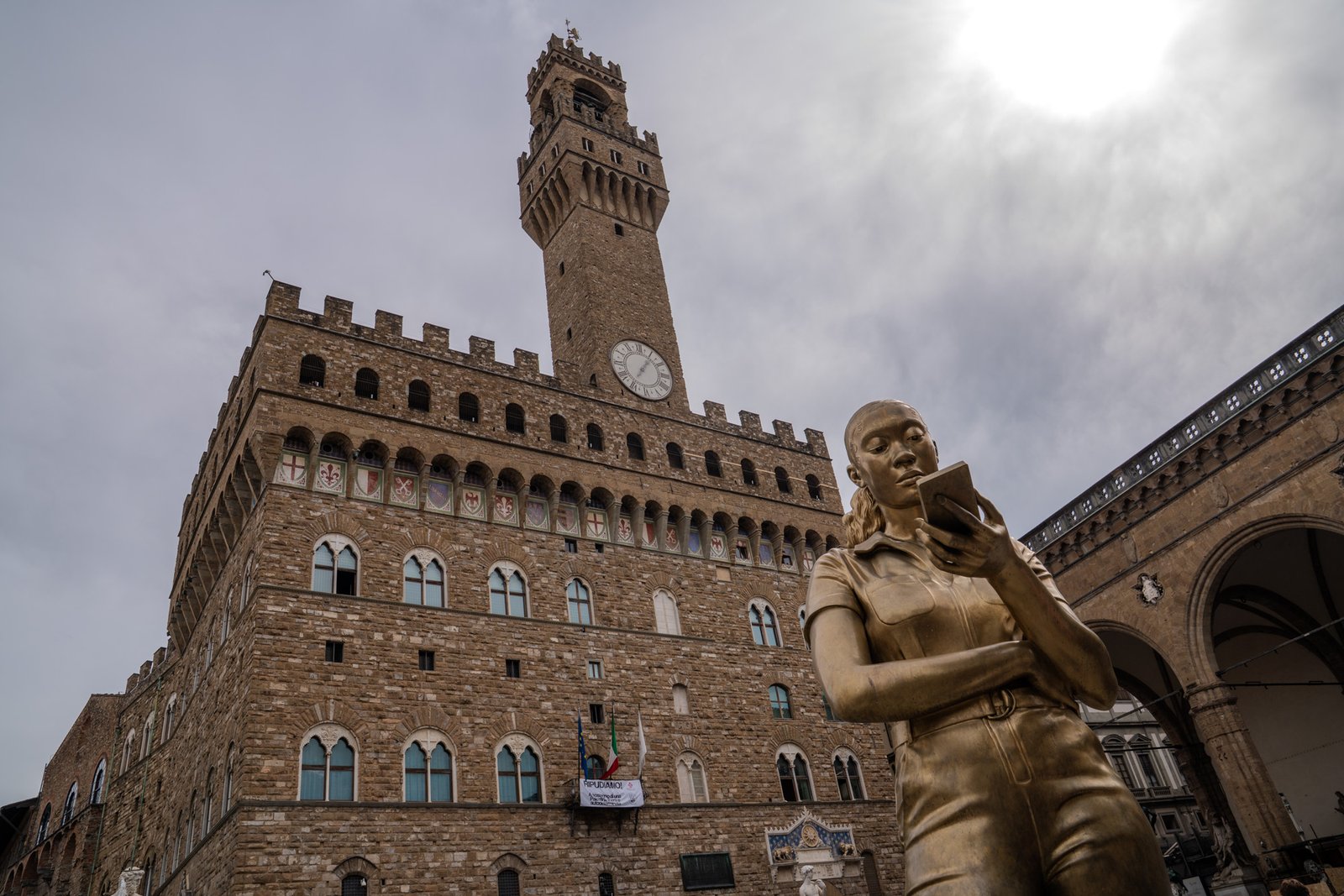
Florence is in many ways the city of the Medicis—political power, artistic patronage, family legacy. Walking through its streets, climbing its steps, seeing its corridors, you sense a legacy not just of monuments, but of ambition and continuity. For someone else it might be just another historic destination, but traveling along that medici-shaped path—especially with your earlier visit as a quiet companion—it feels like following threads through time.